Key Takeaways
- Maine's snowy, overcast winters make warm white C9 bulbs feel cozy and amber-toned, while cool white reads crisp and icy — both work, but they create very different moods.
- Multicolor C9 rooflines are a beloved New England tradition, but single-color palettes have surged in popularity for a cleaner, architectural look on historic Maine homes.
- LED C9 bulbs use up to 80% less energy than incandescent versions — a significant saving given Maine's long lighting season and cold-weather electricity demands.
- Red and green C9s punch boldly against white snow and dark granite foundations common across Maine, while warm white softens and blends beautifully with cedar shingle and clapboard siding.
- Booking your C9 installation early — ideally by late summer — ensures you get your preferred bulb color and spacing before the fall rush fills schedules.
Imagine driving down a quiet Maine road in December: bare maples, a granite stone wall dusted with snow, and a farmhouse roofline strung with glowing C9 bulbs that seem to breathe against the dark sky. The color of those bulbs — warm amber, icy white, classic multicolor — changes the entire feeling of that scene. C9s are the workhorses of professional holiday lighting: large, 1.5-inch globe-shaped bulbs spaced 12 to 18 inches apart on heavy-duty wire, visible from the road even in a nor'easter. But choosing the right color for your specific Maine home, neighborhood, and aesthetic takes more thought than simply picking a box off a shelf. This guide walks you through every major C9 bulb color, how each performs in Maine's unique winter environment, and how to make a decision you'll love for seasons to come.
What Makes C9 Bulbs Different — and Why Color Matters More in Maine
C9 bulbs are the largest standard holiday light bulb, producing roughly 5 to 7 watts per LED bulb and up to 7 watts per incandescent, with a visible glow radius far exceeding mini lights or icicle strands. That size means color saturation is everything: a C9 bulb's hue reads clearly from 50 feet away, making color selection a true design decision rather than an afterthought.
Maine's environment amplifies this effect in specific ways. Snow acts as a reflective canvas — it bounces and intensifies whatever color falls on it. Overcast winter skies, which dominate from November through March across most of the state, shift ambient light toward blue-gray tones. Coastal areas from Kittery to Bar Harbor deal with salt air and fog that can soften and scatter light differently than inland locations. And Maine homes themselves — Cape Cods, Colonials, Victorians, saltbox farmhouses — each have architectural features that either benefit from or clash with certain palettes.
For a deeper look at how coastal conditions specifically affect your lighting choices, see our post on holiday lights for coastal Maine saltwater homes. And for a broader overview of what holds up best in Maine winters, our guide to the best outdoor Christmas lights for Maine's winter weather covers durability alongside aesthetics.
Warm White C9 Bulbs: Cozy, Classic, and Universally Flattering
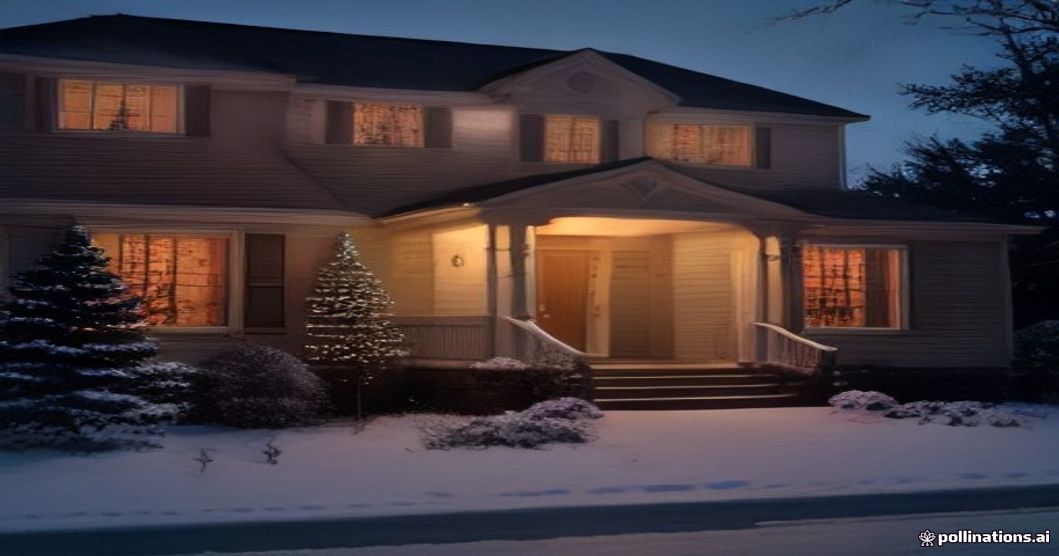
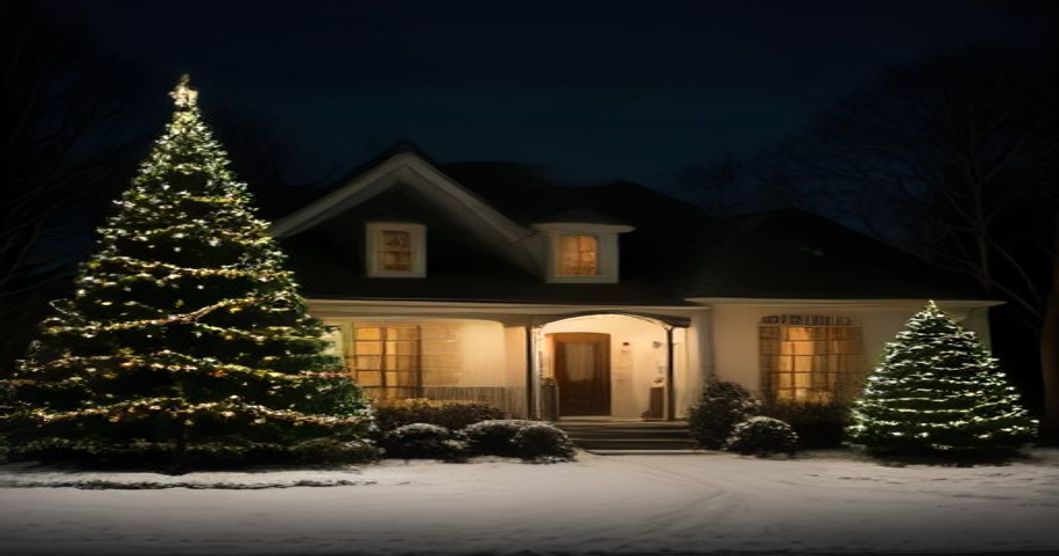
Warm white C9 bulbs emit light in the 2700K–3000K color temperature range — the same amber-tinged glow as a candle flame or incandescent Edison bulb. Against Maine's snowy backdrop, this tone creates a golden wash that feels intimate and welcoming rather than cold or clinical.
How Warm White Reads on Different Maine Home Styles
- Cedar shingle and natural wood siding: Warm white enhances the organic grain and amber tones already present in the material, making the house look like it's glowing from within.
- White clapboard Colonials: The amber undertone prevents a white-on-white flatness — the roofline reads as distinctly lit rather than washing out against the siding.
- Brick and fieldstone foundations: Warm white draws out the red and brown minerals in Maine granite and brick, creating rich contrast.
- Victorian gingerbread trim: The softness of warm white complements ornate architectural detail without competing with it.
Warm white is also the most forgiving choice in heavy snow conditions. When flakes are actively falling, the amber light scatters softly and maintains visibility without the harsh glare that cooler tones can produce. For rooflines, warm white C9s spaced 12 inches apart on a 40-foot roofline consume approximately 200–280 watts in LED form — a manageable draw even for older Maine homes with standard 15-amp exterior circuits.
Cool White C9 Bulbs: Icy, Modern, and Dramatic Against Snow
Cool white C9 bulbs operate in the 5000K–6500K range, producing a blue-white light that mirrors winter starlight or a clear frozen morning in the Maine woods. The effect is striking — especially against fresh snow — and suits a more contemporary or minimalist aesthetic.
When Cool White Works Best
Cool white excels on homes with crisp architectural lines: modern farmhouses, updated Colonials with black window trim, or commercial storefronts aiming for a sleek holiday presence. The high color temperature makes the light appear brighter to the human eye at the same wattage, so cool white C9 displays often read as more dramatic from a distance — an advantage on long driveways or properties set back from the road.
The trade-off: cool white can feel stark against natural wood tones or older New England clapboard that's aged to a warm gray. If your home already has a lot of cool-toned exterior colors (slate roofing, blue-gray siding, white trim), cool white C9s create a cohesive, intentional palette. If your home leans warm, consider warm white or a mixed approach.
Warm White vs. Cool White: Quick Comparison
| Factor | Warm White (2700K–3000K) | Cool White (5000K–6500K) |
|---|---|---|
| Mood | Cozy, welcoming, traditional | Crisp, modern, dramatic |
| Best siding match | Cedar, brick, natural wood, aged clapboard | White painted trim, gray, black accents |
| Snow interaction | Soft golden wash | Brilliant icy sparkle |
| Visibility in fog/snow | Warm diffusion, slightly softer | Higher apparent brightness |
| Popularity in Maine | Most requested single color | Fast-growing, especially urban/coastal |
Multicolor C9 Bulbs: The Classic New England Roofline Tradition
Multicolor C9 bulbs — typically combining red, green, blue, yellow, and orange in a repeating pattern — are the original American holiday light, and they remain deeply tied to the New England sense of Christmas cheer. Drive through any established Maine neighborhood in December and you'll see multicolor C9 rooflines that have been a part of the streetscape for decades.
Classic Aesthetic Considerations for Maine Homes
Multicolor works best when embraced fully rather than halfway. A roofline with multicolor C9s paired with multicolor garland on the porch railings and a wreath with a bold red bow creates a cohesive, festive composition. Mixing multicolor C9s with other single-color elements — say, warm white icicle lights on the gutters — often looks unintentional rather than curated.
Historically, multicolor C9 displays suit Maine's older residential neighborhoods particularly well: streets lined with two-story homes, mature oak and maple trees (which benefit from careful tree-wrapping planning), and properties where the holiday display is meant to feel exuberant rather than restrained.
Single-Color Rooflines: The Modern Alternative
Single-color C9 installations — all warm white, all red, or a two-tone combination of red and green — have grown steadily in Maine over the past decade. The appeal is architectural: a single color lets the shape of the roofline, dormer, and chimney read clearly rather than fragmenting visually across five hues. For historic homes on the National Register or properties in designated scenic districts, single-color or warm white installations are often the preferred or required choice.
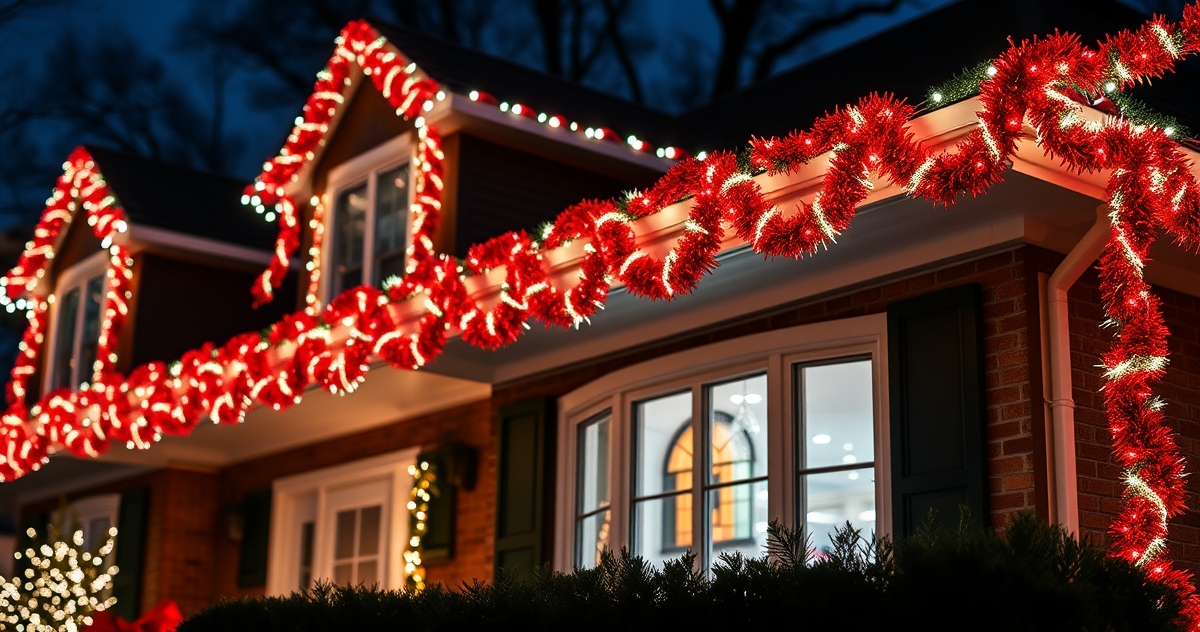
Red and green C9s deserve special mention. Against Maine's white snow and dark conifer backdrop, a roofline alternating red and green bulbs spaced 12 inches apart pops with a clarity and boldness that multicolor sometimes can't match — particularly on overcast evenings when the sky provides no competing color. Our piece on red, white, and blue C9 bulbs explores single-color palette power in a different seasonal context, but the same visual principles apply at Christmas.
LED vs. Incandescent C9 Bulbs: Energy Cost Reality for Maine Winters
LED C9 bulbs consume 70–80% less electricity than their incandescent counterparts — and in Maine, where the holiday lighting season runs from late November well into January, that difference adds up fast.
Running the Numbers for a Typical Maine Home
Consider a standard Maine Colonial with 120 linear feet of roofline and C9 bulbs spaced 12 inches apart — that's 120 bulbs. Running 8 hours per night from Thanksgiving to January 6th (roughly 50 nights):
- Incandescent C9s (7W each): 120 bulbs × 7W = 840W per hour. Over 50 nights × 8 hours = 336 kWh. At Maine's average residential rate of approximately $0.21 per kWh, that's roughly $70.56 per season.
- LED C9s (approximately 1.5W each): 120 bulbs × 1.5W = 180W per hour. Over 400 hours = 72 kWh. Cost: approximately $15.12 per season.
The LED option saves over $55 per season on roofline alone — before accounting for additional runs on trees, porch railings, or garland. LED C9s also handle Maine's cold temperatures significantly better. Incandescent bulbs lose efficiency below 20°F; LED output remains consistent down to -40°F, which matters on those January nights when temperatures in central and northern Maine can plunge well past zero.
LED C9s are also available in the full color range: warm white, cool white, multicolor, red, and green — so there's no aesthetic compromise when choosing the more efficient option. For more on weatherproofing and durability across Maine's full winter season, see our detailed post on the best outdoor Christmas lights for Maine's cold weather.
Choosing Your Palette: A Practical Decision Framework
With so many strong options, the right C9 color comes down to four considerations: your home's exterior palette, your neighborhood's character, your personal aesthetic, and your installation goals.
- Match your home's undertones. Warm-toned exteriors (cedar, aged wood, brick) → warm white or multicolor. Cool-toned exteriors (painted white, gray, black trim) → cool white or single-color red/green.
- Consider visibility distance. Large setback from the road? Bold colors (red, green, multicolor) carry farther. Close to the street? Warm white creates a more refined, layered effect.
- Think about cohesion with other elements. C9 rooflines pair naturally with wreaths, garland, and ribbon bows. A red and green C9 roofline with fresh Fraser fir garland and red velvet bows on the porch is a complete design — not just a light string.
- Plan your full display. If you're also lighting trees, consider professional tree lighting services and discuss color coordination with your installer before ordering.
Our residential holiday lighting services include a pre-installation color consultation so you can see mockups and recommendations before a single bulb goes up. And if you're planning a commercial property, our team handles everything from storefronts to multi-building campuses — check our commercial storefront lighting guide for palette ideas specific to retail and hospitality environments.
When to Book Your C9 Installation in Maine
The best time to finalize your C9 color selection and book installation is summer — not October. By late September, professional lighting crews in Maine are fully booked for November installs, and popular bulb colors (particularly warm white LED C9s in quantity) can run short at distributors. Booking in August or even July locks in your preferred palette, your installation date, and often qualifies you for early-bird pricing.
Our posts on booking your Maine holiday lighting installation in August and planning your holiday lighting installation in Maine summer cover the full timeline in detail. The short version: if you want specific colors at specific spacing on a specific date, the time to plan is now.
Frequently Asked Questions
What is the most popular C9 bulb color for Maine homes?
Warm white is the most requested C9 bulb color among Maine homeowners. Its amber-toned glow complements the state's predominant architectural styles — cedar shingle, clapboard, and brick — and creates a welcoming contrast against snow. Multicolor remains a close second for traditional New England displays, while cool white is the fastest-growing choice for modern and coastal-style homes.
Do C9 LED bulbs look as good as incandescent in cold Maine temperatures?
Yes — and in many cases better. LED C9 bulbs maintain consistent color and brightness in temperatures well below zero, which is important during Maine's deep winter months. Incandescent C9s can dim slightly in extreme cold and are more prone to moisture-related failure. Modern LED C9s in warm white closely replicate the look of incandescent while using roughly 80% less electricity, making them the preferred choice for professional installations.
Can I mix warm white and cool white C9 bulbs on the same roofline?
Mixing warm white and cool white C9s on the same run is generally not recommended — the contrast in color temperature reads as mismatched rather than intentional from a distance. If you want a layered white effect, a better approach is pairing warm white C9s on the roofline with cool white mini lights on porch columns or windows, creating contrast through separation rather than alternation. A professional installer can help you visualize this before installation.
How many C9 bulbs do I need for a typical Maine home roofline?
For bulbs spaced 12 inches apart (the most common professional spacing for C9s), you need one bulb per linear foot of roofline. A typical Maine Cape Cod or Colonial with 80–120 feet of roofline edge requires 80–120 bulbs. Spacing at 18 inches reduces that to 54–80 bulbs, which creates a slightly airier look and reduces energy use further. Your installer will measure your specific rooflines during the estimate process.
Are red and green C9 bulbs appropriate for a historic Maine home?
Red and green C9 bulbs have a long history in New England and are entirely appropriate for historic homes — they predate the modern preference for all-white displays by decades. The key is consistent spacing and quality hardware. On a historic property, red and green C9s at 12-inch spacing with clean wire management look purposeful and classic rather than garish. If the property is in a historic district with design guidelines, check local ordinances, but most Maine historic districts do not restrict holiday lighting colors.
What happens to my C9 bulbs and hardware after the season?
Professional C9 installations are fully removed and stored at the end of the season through our removal and storage service. Your specific bulb colors, spacing clips, and wire runs are catalogued so the exact same display goes back up the following year with no guesswork. This protects your investment and ensures color consistency season after season.
Ready to choose the perfect C9 palette for your Maine home? Contact us today for a free estimate — we'll walk you through color options, spacing recommendations, and scheduling so your roofline looks exactly the way you've imagined it.