Key Takeaways
- Maine's narrow fall window — often just 4 to 6 weeks between peak foliage and the first hard freeze — makes summer the smartest time to book a professional holiday lighting installation.
- Locking in your installer by July typically saves 15 to 20 percent compared to last-minute October and November bookings when demand peaks.
- Summer site visits allow accurate roofline and tree measurements while ground conditions are safe for ladder work and full foliage reveals your true canopy spread.
- Maine's coastal salt air and wide inland temperature swings demand weatherproof connectors, UV-resistant C9 bulb strings, and outdoor-rated extension cords built for harsh New England conditions.
- Choosing warm white LEDs during a summer planning session gives you time to source custom lengths and specialty products before holiday inventory runs short.
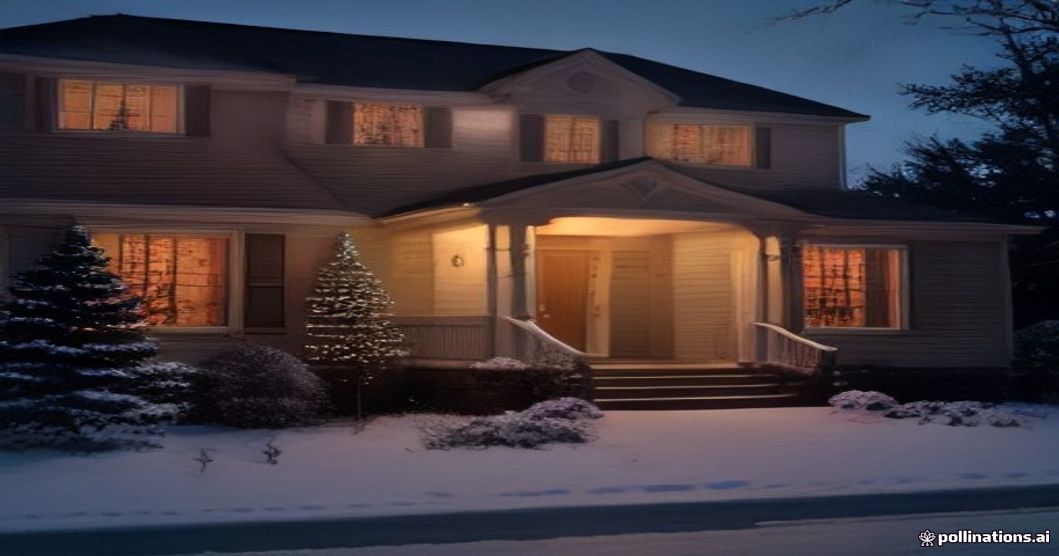
By the time the maples along the Kennebec River start turning in late September, most reputable Maine holiday lighting installers are already booked solid through December. That's not a scare tactic — it's a scheduling reality that catches hundreds of homeowners and business owners off guard every single year. The good news: the residents and commercial property managers who plan their holiday lighting installation during the relative calm of summer don't just get better appointment slots. They get better prices, better product selection, and better results. Here's exactly how to get ahead of the rush before it starts.
Why Maine's Fall Calendar Creates a Holiday Lighting Emergency Every Year
Maine's fall window for safe outdoor installation work is genuinely short — shorter than most homeowners realize until they've missed it once. Peak foliage typically runs from late September through mid-October depending on elevation and region. Once leaf drop accelerates, ground temperatures in northern and western Maine can dip below freezing almost overnight, making ladder work on dewy, frost-covered surfaces dangerous and making roofline clips brittle. Coastal areas like Portland and Kennebunkport get a little more grace, but salt-wind gusts in October and November add their own complications.
That practical installation window — dry ground, above-freezing daytime temps, manageable winds — often shrinks to just four to six weeks statewide. Meanwhile, every residential customer, downtown business district, and municipal client in the state is chasing the same installers during those same weeks. The math simply doesn't work in a late-booker's favor.
The solution is counterintuitive but effective: think about your Christmas lights in June. Not because you'll be hanging them in June, but because that's when the planning, measuring, quoting, and product sourcing needs to happen so everything is ready the moment conditions allow safe installation in October.
Summer Site Visits: Why June and July Are the Best Time to Measure
A summer site visit produces more accurate roofline and tree measurements than any fall walk-around can, and that accuracy translates directly into a cleaner, more professional finished display. When a lighting professional visits your property in June or July, they're working with full foliage — which means they can measure your spruce trees, maples, and ornamental crabapples at their actual canopy spread rather than guessing at bare winter branch reach. That matters enormously when ordering custom-length LED string lights or calculating how many C9 bulb strings a given tree will require.
Roofline Planning in Good Conditions
Roofline measurements taken from a stable ladder on warm, dry ground in summer are safer and more precise than measurements rushed in October when leaves are wet and temperatures are unpredictable. During a summer consultation, your installer can identify the exact gutter pitch, fascia material, and overhang depth on your Cape Cod, Colonial, or farmhouse-style Maine home — all of which affect which roofline clips will hold most securely through a Maine winter. Standard shingle tabs work on most rooflines, but steep-pitch roofs and metal standing-seam roofs common on older Maine homes often require specialty clip systems that need to be ordered well in advance.
Tree and Landscape Layout
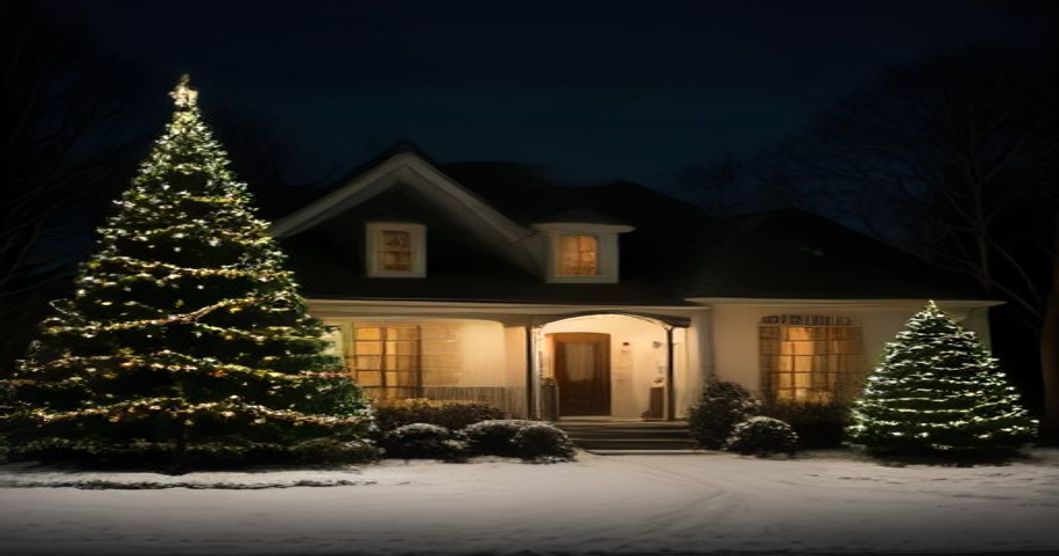
Summer is also the right time to map your landscape lighting zones. Full foliage shows you exactly where light will be blocked and where it will glow through. A spruce that looks sparse in November can reveal in summer that it needs wrapping from base to tip — a job requiring significantly more linear footage of warm white or multicolor LED string lights than a quick estimate might suggest. Planning these zones now means your installer arrives in October with every foot of product already on hand.
Explore our professional tree lighting services to see how we approach canopy mapping and product selection for Maine's varied landscape.
The Price Advantage of Booking Early: Real Numbers
Early booking isn't just about availability — it's about cost. Homeowners and commercial clients who lock in a Maine holiday lighting installer by July consistently save 15 to 20 percent compared to customers who call in October or November. Several factors drive that spread:
- Off-peak labor rates: Installers running summer schedules can offer more competitive pricing when demand is lower and crew schedules are flexible.
- Bulk product pricing: When your installer orders C9 bulb strings, extension cords, and clips in summer alongside their other seasonal inventory, they capture wholesale pricing that gets passed on to early-booking customers.
- No rush premiums: Last-minute bookings in November sometimes carry expedited scheduling fees, particularly for commercial and municipal clients with hard deadline events.
- Better product availability: Specialty items — custom-length warm white or cool white C9 runs, heavy-gauge extension cords rated for outdoor use, commercial-grade weatherproof connectors — can have lead times of four to eight weeks heading into peak season. Summer ordering eliminates that risk entirely.
For commercial properties, the savings can be even more significant. A downtown retail block or resort property in Bar Harbor or Camden that books in summer can negotiate multi-season contracts and priority scheduling that simply aren't available to late callers. Learn more about our commercial holiday lighting services and how early planning protects your business timeline.
Maine's Harsh Conditions: Choosing the Right Products From the Start
Not every holiday light product sold at a big-box store is built for what Maine winters actually deliver. Coastal Maine's salt air accelerates corrosion on cheap metal contacts. Inland temperature swings from 40°F in late October to minus 15°F in January crack brittle plastic sockets and stress untreated wire insulation. Planning in summer gives you the time and mental space to choose products properly rather than grabbing whatever's left on the shelf in November.
C9 Bulbs and UV-Resistant Strings
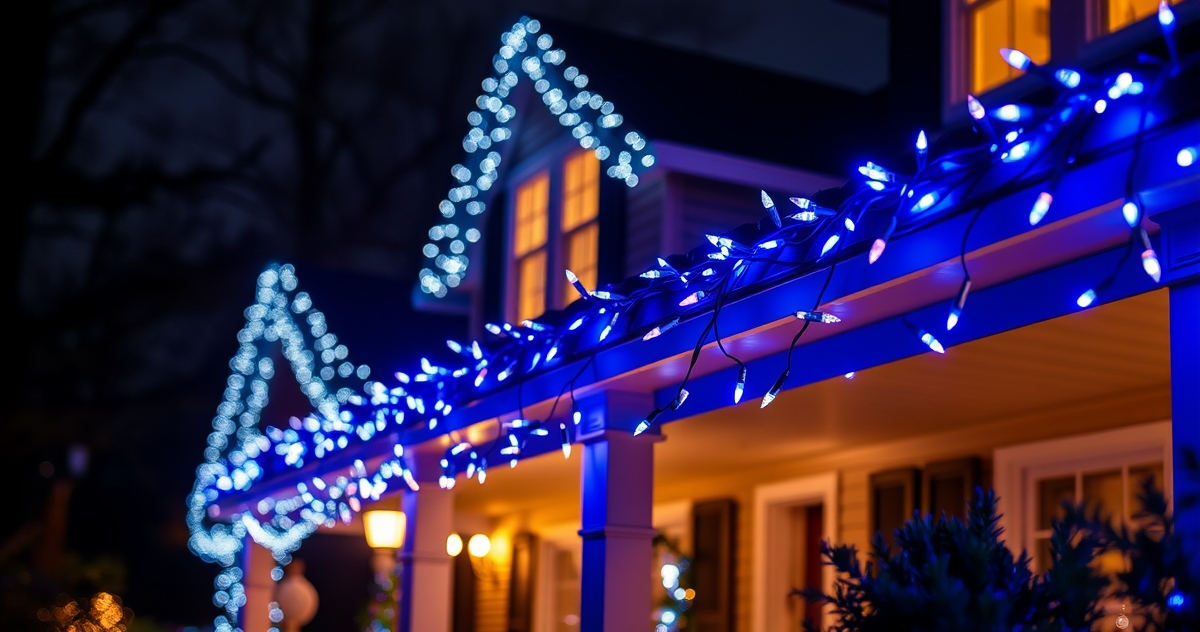
Commercial-grade C9 bulbs on SPT-1 or SPT-2 wire are the gold standard for Maine roofline and tree displays. Look for strings rated for wet locations with UV-resistant coating on both the wire jacket and the bulb socket — UV degradation accelerates in the reflective glare off snow, which is exactly the condition Maine displays face for three to four months. C9s in warm white (2700K–3000K) cast the amber glow that looks stunning against snow-covered spruce boughs and the weathered cedar shingles common on coastal Maine homes. Cool white (5000K–6000K) C9s work beautifully on modern commercial facades and municipal streetscapes where crisp brightness reads well at distance.
Weatherproof Connectors and Outdoor-Rated Extension Cords
Every connection point in an outdoor Maine display needs a weatherproof connector — the kind with rubber gaskets that seal against moisture intrusion even when ice forms around the joint. Pair those with extension cords rated for outdoor use, specifically cords with a minimum 16-gauge wire (14-gauge for longer runs) and a jacket rated for temperatures down to at least minus 40°F. Standard indoor extension cords become stiff, crack, and create fire hazards in Maine winter conditions. Summer planning sessions give your installer the chance to map exact cord runs, calculate amperage loads accurately, and order the right gauge and length before supply gets tight.
Roofline Clips Built for Freeze-Thaw Cycles
Maine's freeze-thaw cycles — sometimes multiple cycles per week in shoulder seasons — stress clip systems that work fine in milder climates. Polycarbonate clips with UV stabilizers hold their grip through repeated temperature changes far better than standard PVC versions. Matching the right clip to your specific roofline material (asphalt shingle, metal, cedar shake) during a summer consultation means zero roofline damage and a display that stays perfectly aligned through February.
See the full range of installation approaches we use across the state on our residential holiday lighting services page.
Visualizing Your Display: Color Choices and Aesthetic Planning
One underappreciated benefit of summer planning is the mental breathing room to make intentional aesthetic choices rather than reactive ones. When you're not panicking about a storm forecast in early November, you can actually enjoy deciding what your home or business should look like in December.
Warm White vs. Cool White vs. Multicolor
| Color Option | Best For | Maine Aesthetic Notes |
|---|---|---|
| Warm White (2700K–3000K) | Cape Cod homes, farmhouses, classic colonials, spruce trees | Mimics candlelight; glows against snow beautifully; most popular in residential Maine |
| Cool White (5000K–6000K) | Modern commercial facades, municipal streetscapes, waterfront properties | High visibility at distance; crisp and clean against dark December skies |
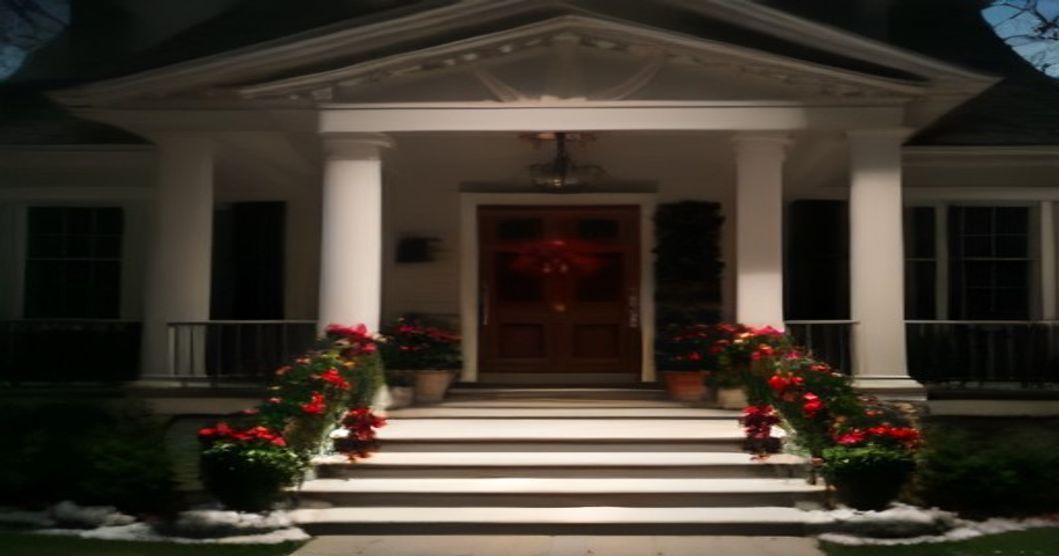
| Multicolor | Family-focused residential, retail storefronts, community events | Festive and playful; pairs well with garlands, wreaths, and oversized bows for a traditional New England look |
Summer consultations let you look at color swatches and product samples in natural light, compare options side by side, and even do a small test install on a single tree or section of roofline before committing to a whole-property approach. That kind of intentional decision-making simply isn't possible when you're booking three weeks before Thanksgiving.
If you're exploring a display that lasts beyond a single holiday season, our permanent lighting systems offer programmable color options year-round — another decision that benefits enormously from summer planning.
Don't Forget Removal and Storage: Plan the Full Season Now
A complete holiday lighting plan includes what happens after January 1st. In Maine, removal scheduling faces the same crunch problem as installation — everyone wants down in the same two-week window after the holidays. Planning removal and storage during your summer booking means your crew is already committed to a January slot, your products are properly stored to survive next year, and you avoid the all-too-common scenario of lights staying up until April because no one could get to them sooner.
Professional storage extends the life of C9 strings, LED mini lights, weatherproof connectors, and outdoor-rated extension cords significantly. Proper coiling, dry storage, and pre-season testing before reinstallation is the difference between lights that last five to seven seasons and lights that fail after two. Our removal and storage service is designed specifically around Maine's post-holiday logistics, including flexible January scheduling for properties in remote inland locations where access can be weather-dependent.
Frequently Asked Questions
When is the best time to book a holiday lighting installation in Maine?
The best time to book a holiday lighting installation in Maine is between June and July. Maine's usable fall installation window is typically only four to six weeks long, and professional installers fill their schedules quickly once September arrives. Booking in summer secures your preferred installation date, locks in early-booking pricing (typically 15 to 20 percent below peak-season rates), and allows time to source specialty products like custom-length C9 strings and weatherproof connectors before inventory tightens.
Why do C9 bulbs work better than standard mini lights for Maine rooflines?
C9 bulbs on commercial-grade SPT wire are built for the temperature extremes, freeze-thaw cycles, and coastal salt air that Maine winters deliver. Their larger socket and heavier wire gauge resist cracking and corrosion better than lightweight mini light strings. UV-resistant coatings on quality C9 strings prevent premature brittleness from sun reflecting off snow. C9s also produce a bolder, more visible roofline silhouette that reads well at distance, which is important for both residential curb appeal and commercial visibility on Maine's busy holiday shopping streets.
What extension cord should I use for outdoor holiday lights in Maine?
Use extension cords explicitly rated for outdoor use with a minimum 16-gauge wire (14-gauge for runs longer than 50 feet or higher amperage loads) and a cold-weather jacket rated to at least minus 40°F. Standard indoor extension cords become rigid and can crack in Maine winter temperatures, creating both a fire hazard and a tripping risk. Weatherproof plug covers at every connection point add an additional layer of protection against moisture intrusion from snow and ice melt.
Is warm white or cool white better for a Maine home?
Warm white (2700K–3000K) is the most popular choice for Maine residential properties and complements the state's classic Cape Cod, Colonial, and farmhouse architectural styles beautifully. The amber-toned glow contrasts richly against white snow and dark spruce trees, creating the cozy, inviting aesthetic most homeowners envision. Cool white (5000K–6000K) is often the better choice for commercial facades, municipal streetscapes, and modern properties where brightness and crispness at distance matter more than warmth.
Can I get a holiday lighting plan for a commercial property in Maine during summer?
Yes — and commercial properties benefit most from summer planning. Retail districts, hotels, resorts, and municipal clients in Maine often have hard deadline events like Thanksgiving weekend openings or community tree-lighting ceremonies that leave zero flexibility. A summer consultation allows your installer to plan roofline runs, tree wrapping, garland and wreath placement, and electrical load calculations across an entire property without time pressure. It also creates space to coordinate with local permitting offices if street-facing displays require approval.
Do holiday lights need to come down by a specific date in Maine?
There's no statewide law requiring removal by a specific date, but most professional lighting companies recommend scheduling removal in January while dedicated crews are still available. In Maine, waiting until February or March risks removal being delayed by heavy snow, ice, or access issues on rural properties. Professional removal and storage services also test and repair your lights before boxing them, extending product life and ensuring your display is ready to go the following season without surprises.
Ready to get ahead of the rush and enjoy a stress-free holiday season? Contact Holiday Lights Decor Maine today for your free summer planning estimate — secure your installation date, lock in early pricing, and let us handle every detail from roofline clips to January removal so you can focus on what actually matters this December.