Key Takeaways
- Measure your roofline accurately and plan for 12-inch C9 bulb spacing to achieve a clean, polished look on any Maine home style.
- Clip selection matters: shingle tabs, gutter clips, and all-surface clips each suit different Maine architectural styles from Cape Cods to colonials.
- Warm white C9 bulbs deliver a classic, inviting glow; cool white creates a crisp, wintry feel — both work beautifully against Maine's snowy landscapes.
- Improper installation on steep-pitched Maine roofs can cause ice dam damage, gutter separation, and dangerous winter falls — professional installation eliminates all three risks.
- Booking your roofline lighting installation early — ideally by August — ensures you get your preferred date before Maine's short fall window closes.
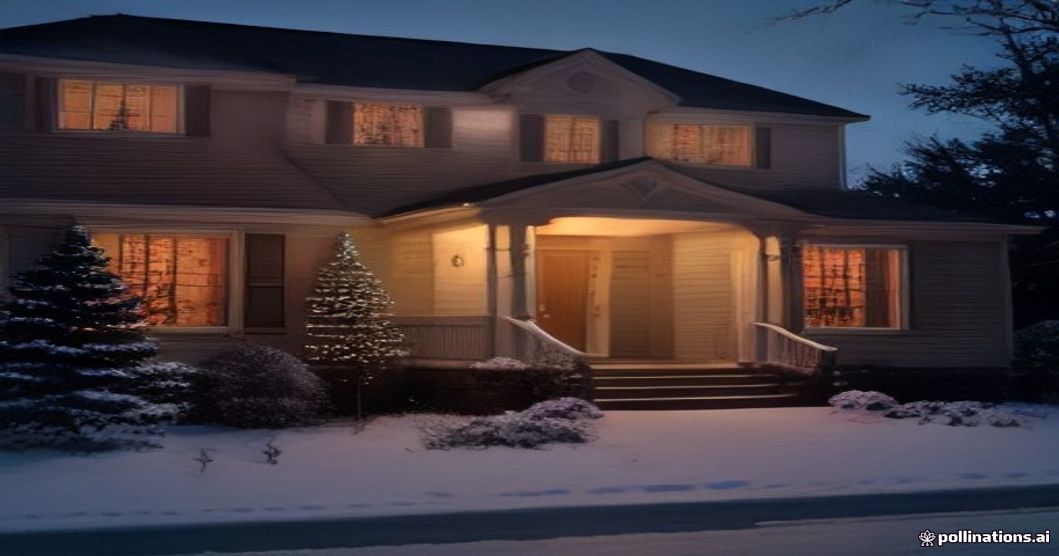
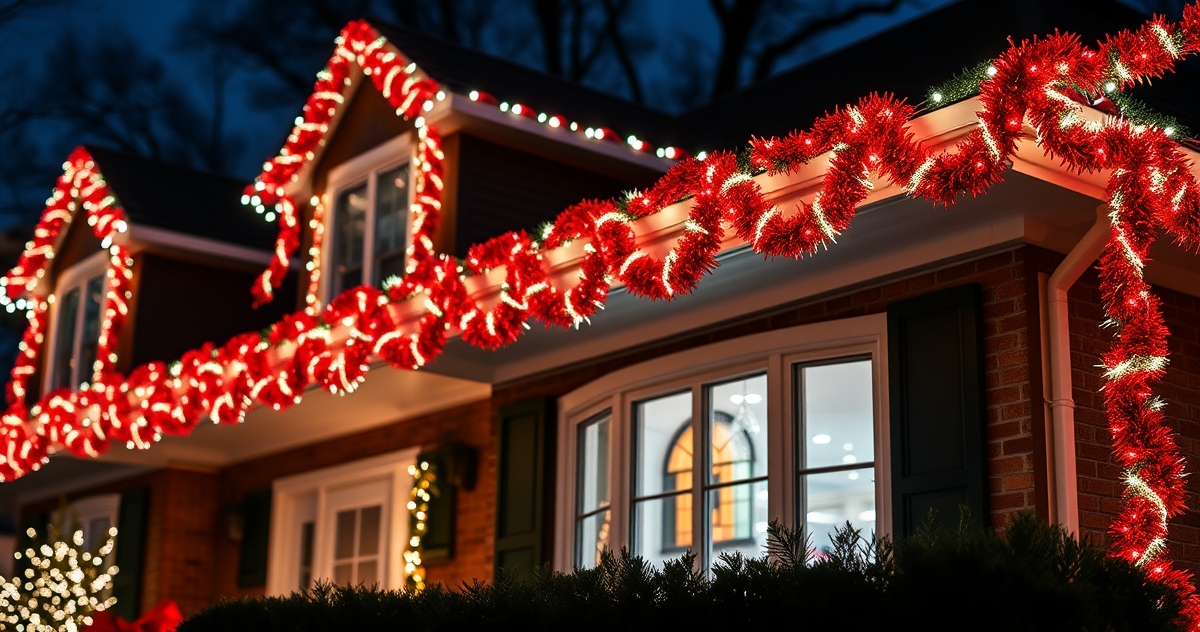
The moment a Maine neighborhood flips on its holiday lights in late November, one house always stands out — and it's almost never the one with the most decorations. It's the one with a perfectly lit roofline: evenly spaced C9 bulbs marching cleanly from peak to peak, no sagging wire, no dark gaps, no clips popping off under the weight of a wet December snowfall. That house looks effortless, but it's the result of careful planning. This guide gives you the full roofline Christmas lighting installation guide Maine homeowners need — measurements, clip types, bulb choices, and the honest truth about when a professional crew is the smarter call.
Why Roofline Lighting Makes or Breaks Your Home's Holiday Curb Appeal
The roofline is the single most visible architectural feature of your home from the street, and lighting it well frames every other decoration you put out. A beautifully lit roofline makes modest lawn decorations look intentional; a sloppy roofline undermines even the most elaborate yard display. In Maine, where homes range from stately coastal colonials to tight Cape Cods tucked into wooded lots, the roofline also comes with real structural considerations — steep pitches, ice-prone gutters, cedar shakes, and slate — that make technique matter more than it does in warmer climates.
Roofline lighting also adds measurable value during the holiday season for homeowners who list properties, run Airbnb rentals, or simply want to contribute to a neighborhood that takes pride in its appearance. For commercial property owners, a well-lit roofline signals that a business is open, festive, and worth visiting — learn more about that angle in our guide to commercial storefront holiday lighting for Maine retailers.
Measuring Your Roofline and Calculating Bulb Spacing
Accurate measurement is the foundation of a professional-looking roofline installation, and most DIY mistakes start here. Begin by measuring the horizontal run of every roofline edge you plan to light — the front eave, side rakes, any dormers, and any porch peaks — using a long tape measure or a laser distance tool. Add 10% to your total for waste and connectors. A typical Maine colonial might have 80–120 linear feet of roofline; a large farmhouse or Cape with dormers can easily exceed 200 feet.
C9 Bulb Spacing: The 12-Inch Rule
For C9 bulbs — the large, faceted commercial-grade bulbs that read clearly from a distance — 12-inch spacing is the industry standard for a polished look. At that spacing, 100 linear feet requires exactly 100 sockets. Tighter spacing (9 inches) creates a more dramatic, dense appearance suitable for showpiece homes or commercial facades; looser spacing (18 inches) looks thin and is generally not recommended for a feature roofline. Pre-spaced C9 SPT-2 wire comes in 18-inch increments, so plan your layout before ordering to minimize cutting and capping.
Mini Lights as Accents and Fill
Mini lights (the small 5mm or M5 bulbs on fine green or white wire) are excellent for filling dormers, wrapping porch railings adjacent to the roofline, or adding a second layer of sparkle beneath a C9 run. For rooflines specifically, mini lights work best when they're run as icicle strands below the main C9 line — the combination of bold C9 definition up top with delicate icicle movement below is one of the most popular roofline treatments we install across Maine. See our guide to the best outdoor Christmas lights for Maine winter weather for a full product breakdown.
Quick Measurement Reference Table
| Roofline Length | C9 Bulbs Needed (12" spacing) | C9 Bulbs Needed (9" spacing) | Mini Light Strands (icicle, 9 ft) |
|---|---|---|---|
| 50 ft | 50 bulbs | 67 bulbs | 6 strands |
| 100 ft | 100 bulbs | 133 bulbs | 12 strands |
| 150 ft | 150 bulbs | 200 bulbs | 17 strands |
| 200 ft | 200 bulbs | 267 bulbs | 22 strands |
Choosing the Right Clips for Maine Home Architecture
Clip selection is where roofline installation gets architecture-specific, and Maine's diversity of home styles — Cape Cods, clapboard colonials, shingle-style cottages, Craftsman bungalows, contemporary post-and-beams — means there's no one-size-fits-all answer. Using the wrong clip causes wire to shift, lights to tilt out of plane, and clips to crack or pull free when the temperature swings 40 degrees overnight, which happens routinely in Maine from November through January.
Gutter Hook Clips
Gutter hooks slip over the lip of a K-style or half-round gutter and hold the C9 wire at a consistent angle facing outward. They're the fastest clip to install and the most common choice for Maine colonials and ranches with aluminum or vinyl gutters. The critical caveat: never use gutter hooks on gutters that have existing ice dam damage, loose seams, or are nearing end of life. Added wire weight plus winter ice loading can separate a marginal gutter from its fascia board.
Shingle Tabs (All-Surface Clips)
Shingle tab clips slide under the bottom edge of a shingle and grip without nails or adhesive — a non-destructive option that's ideal for Cedar shake, architectural asphalt, and the original wood clapboard you'll find on many older Maine homes. They're also the right call for any roofline section where there's no gutter. The limitation is angle: shingle tabs hold wire flat against the roofline, so the bulbs face slightly upward rather than straight out. On steep-pitched roofs (common on Maine Cape Cods and older Victorians), this actually looks excellent from the street.
Adhesive and Magnetic Clips
Adhesive clips have a limited role in Maine's climate. Freeze-thaw cycles — Maine averages 100+ freeze-thaw cycles per winter in coastal areas — break down even high-bond adhesives within a single season. We generally don't recommend them for primary roofline attachment. Magnetic clips work well on metal standing-seam roofs, which appear on contemporary Maine homes and some agricultural conversions, and they're completely non-destructive.
Clip Compatibility by Maine Home Style
- Cape Cod: Shingle tabs on the steep front rake; gutter hooks if there's a lower front gutter.
- Colonial / Garrison: Gutter hooks on all eave sections; shingle tabs on any rake ends.
- Shingle-Style Cottage (coastal): Shingle tabs only — many shingle-style homes have no gutters, and the cedar shake surface is too valuable to risk adhesives.
- Craftsman / Bungalow: Gutter hooks work well; watch for wider overhangs that may require longer-arm clip variants.
- Contemporary / Metal Roof: Magnetic clips or purpose-built standing-seam clips.
Warm White vs. Cool White: Choosing Your Color for a Maine Roofline
Warm white and cool white are the two most popular C9 bulb colors for Maine rooflines, and the choice shapes the entire emotional character of your home's holiday presentation. For a deep dive on the full C9 color spectrum, see our C9 bulb colors guide for Maine homes.
Warm White (2700K–3000K)
Warm white C9 bulbs produce a golden, amber-tinged glow that feels traditional, welcoming, and timeless. Against Maine's characteristic white snowfall, warm white rooflines look like something from a holiday card — particularly on older clapboard colonials, farmhouses, and shingle-style homes where the architecture already has historical warmth. Warm white is also the preferred choice for homes near coastal Maine's fishing villages, where the aesthetic tends toward heritage rather than spectacle.
Cool White (5000K–6500K)
Cool white C9 bulbs produce a bright, crisp, blue-tinged white light that emphasizes the geometry of your roofline and reads well from a longer distance. On contemporary homes, large colonials with complex rooflines, or any property where you want to maximize visual impact from the street, cool white delivers a more modern, dramatic effect. Many Maine homeowners pair cool white C9 roofline bulbs with warm white mini light icicle strands below — the contrast adds depth and visual interest without looking mismatched.
Why Professional Installation Protects Your Maine Roof and Gutters
Professional installation isn't just about convenience — on Maine homes, it's a meaningful form of property protection. Maine's winters combine steep roof pitches, heavy snow loads, ice dam formation, and freeze-thaw cycling in ways that turn a poorly installed light string into a costly repair project by February.
Ice Dams and Gutter Damage
Ice dams form when heat escapes through the roof, melts snow near the ridge, and refreezes at the cold eave — exactly where your Christmas light clips are attached. When lighting wire is strung through a gutter or pulled tight against the drip edge, expanding ice can catch the wire, torque the clips, and lift gutters partially off their hangers. Professional installers route wire to avoid ice dam zones, use clip types that release rather than hold under ice pressure, and never overtighten wire across sections prone to drift loading. The result is that lights come down in spring with zero gutter damage.
Steep-Pitch Safety
Many Maine Cape Cods, Victorian-era homes, and Gothic Revival farmhouses have roof pitches of 10/12 or steeper. Working at that angle in November or December — when morning frost coats shingles before temperatures rise — is genuinely hazardous. Professional crews use roof jacks, harness systems, and stabilized ladders that aren't part of the typical homeowner's toolkit. Injuries from roofline lighting falls are far more common than people realize, and no decorating outcome is worth that risk.
Power Load Planning
A 200-foot roofline with C9 LED bulbs and icicle mini light strands can draw 8–15 amps depending on bulb count and wire runs. Professional installers calculate load before installation, use weatherproof extension connections, and ensure circuits aren't shared with other high-draw holiday decorations. Overloaded circuits in cold weather are a fire risk, and GFCI tripping on a shared outdoor circuit will dark your entire display on Christmas Eve. Learn more about our approach to residential holiday lighting services or explore the full range of what we offer at Holiday Lights Decor Maine services.
Planning Your Roofline Lighting Timeline in Maine
Maine's installation window is genuinely short. Ground conditions begin to freeze in earnest by mid-November in central and northern Maine; by December, ladder work becomes exponentially more dangerous and scheduling becomes nearly impossible as demand peaks. The professional standard is to begin installations in October — with the most popular dates booking out in August or earlier.
If you're reading this in summer and thinking it's too early to plan, it's not — it's exactly the right time. We've written about this specifically in our post on booking holiday lighting installation in Maine in August for early-bird advantages, and the same logic applies to roofline work: the earlier you schedule, the more options you have for date, design consultation, and custom product ordering. You can also start your planning process now by reading our guide on how to plan your holiday lighting installation in Maine during summer.
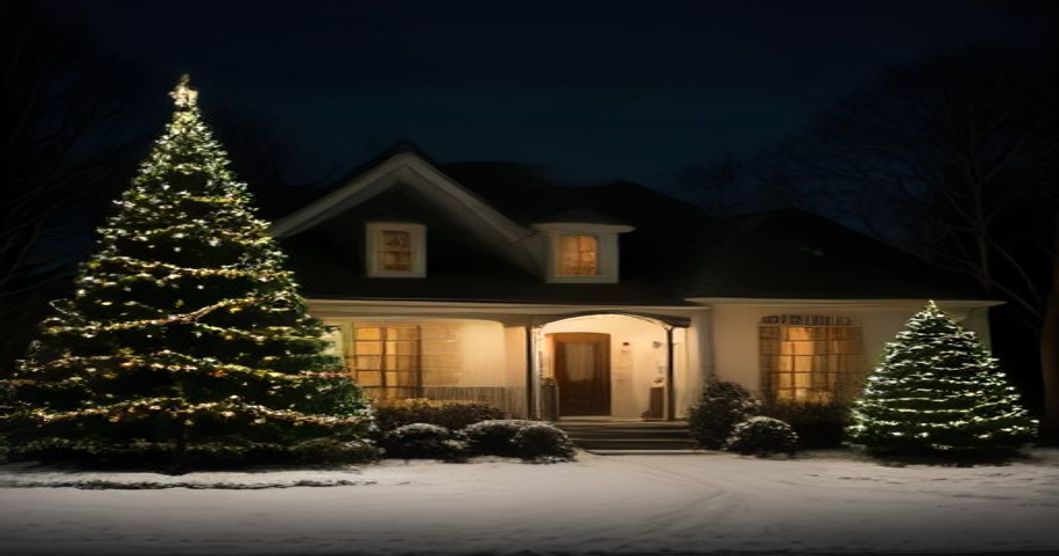
For homes with additional landscape lighting needs — wrapped trees, lit shrubs, pathway lighting — coordinate everything in one plan. Our tree lighting service pairs naturally with roofline work, and our crews handle both in a single visit whenever possible.
Frequently Asked Questions
How many C9 bulbs do I need for a typical Maine Cape Cod roofline?
A typical Maine Cape Cod has approximately 60–90 linear feet of roofline when you include the front eave, the two steep rake edges, and any dormers. At standard 12-inch spacing, that means 60–90 C9 bulbs plus 10% overage for waste and connectors — so plan to order 70–100 bulbs. If you're adding icicle mini lights below the C9 line, budget one 9-foot icicle strand per 9 feet of eave length.
Will roofline Christmas lights damage my gutters or shingles?
Properly installed roofline lights do not damage gutters or shingles. The key is using the correct clip for your gutter type and roof material, avoiding over-tightening the wire, and routing runs to clear ice dam zones at the eave. Damage typically results from using adhesive clips that bond too strongly and pull shingle granules off during removal, or from wire that catches ice and levers gutter hangers loose. Professional installation eliminates both failure modes.
Is warm white or cool white better for a Maine home roofline?
Both colors work beautifully on Maine homes — the choice depends on your home's architectural style and the look you want. Warm white (2700K–3000K) suits traditional Maine architecture like clapboard colonials, farmhouses, and shingle-style cottages, creating a golden, heritage feel against winter snow. Cool white (5000K–6500K) works best on contemporary homes or any property where you want high visual impact and crisp, modern definition. Many homeowners combine cool white C9 bulbs on the main roofline with warm white icicle mini lights below for a layered, dimensional effect.
Can I leave C9 roofline lights up all winter in Maine?
Yes — commercial-grade C9 LED bulbs and SPT-2 wire are rated for sustained outdoor use in temperatures as low as -40°F, well below anything Maine typically delivers. The bigger concern is ice dam interaction with wire and clips, which is why installation method matters more than the products' cold-weather ratings. Many Maine homeowners opt for our removal and storage service in early January, which protects wire and clips for reuse the following season and eliminates any spring cleanup.
How early should I schedule roofline lighting installation in Maine?
Schedule by August or September at the latest if you want your preferred installation date and any custom product options. Maine's professional holiday lighting installation season runs October through late November, and prime October dates fill within days of booking opening. Waiting until October to call typically means mid-to-late November slots — a tight window given the weather risk. Our Christmas in July early booking guide explains exactly why summer scheduling pays off.
Do you install roofline lights on commercial and municipal properties in Maine?
Yes — roofline lighting is one of our most requested commercial services. Retail storefronts, inns, restaurants, and municipal buildings across Maine benefit from the same precision measurement, commercial-grade products, and professional clip systems we use on residential homes, scaled to larger and more complex rooflines. Learn more about our commercial holiday lighting services and our municipal lighting programs.
Ready to get a perfectly lit roofline this season without the ladder risk or the guesswork? Contact Holiday Lights Decor Maine for a free estimate — we'll measure your roofline, recommend the right C9 bulb style and clip system for your home's architecture, and lock in your installation date before Maine's short fall window closes.